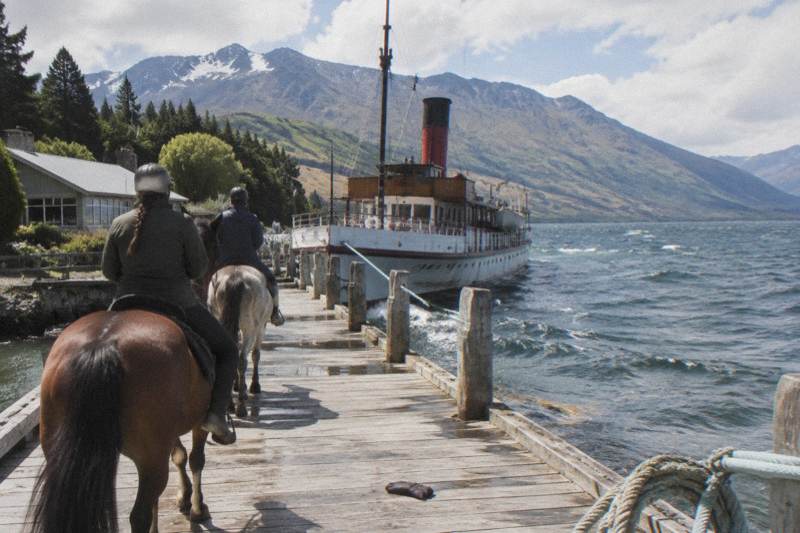
What Should I Wear Horse Riding For The First Time?
Clothing guidance for a first horse trek around Queenstown and Walter Peak, built on the operator's own what-to-bring list and the region's seasonal temperature ranges.
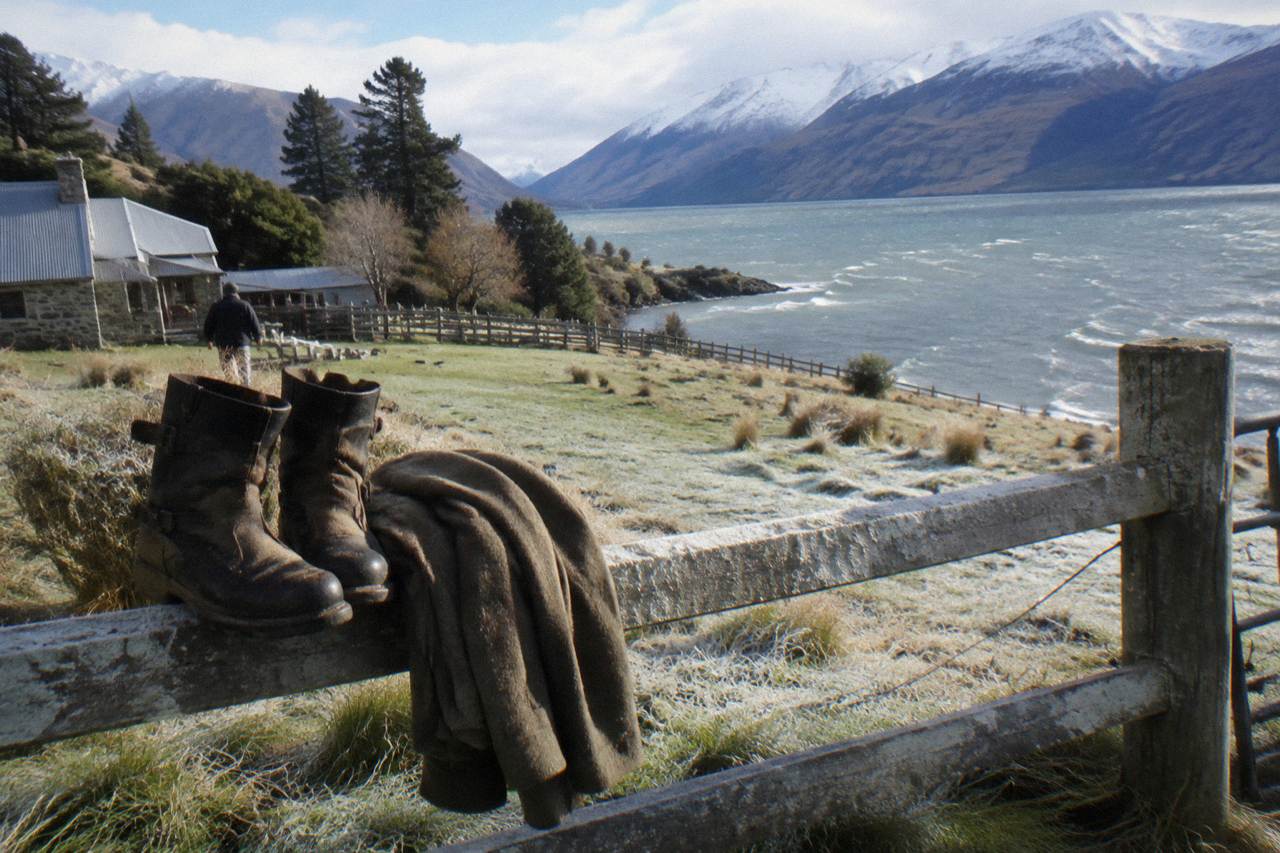
Wear covered non-slip shoes or boots, long trousers, warm layered clothing or a jacket, sunscreen and sunglasses, and bring a camera and any personal medication. That is the operator's own what-to-bring list for the Walter Peak horse trek, and it is a sound template for any first ride. Avoid loose clothing, scarves and dangling accessories that could catch on tack or branches.
That list comes straight from RealNZ, the operator of the Walter Peak trek, and it exists because a horse trek has a specific set of failure modes that ordinary holiday clothing does not cover. Shoes slip in stirrups. Bare legs rub against saddle leather. Queenstown weather can shift from sunshine to drizzle within the 3 hours 45 minutes that the full Walter Peak outing takes, including the lake cruise each way and morning or afternoon tea at the Colonel's Homestead. If that swing between sunshine and drizzle has you second guessing your travel dates, the season by season guide to horse riding weather in Queenstown shows which months offer the most forgiving conditions.
The good news for a nervous first-timer is that the list is short because most of the hard equipment is supplied. On the Walter Peak trek, safety helmets and wet weather clothing are provided, so nobody needs to buy or pack a riding helmet for a single outing. Helmets are stated as provided on 4 of the 7 tours covered on this site, including both Walter Peak booking pages and the Cardrona pub trail, so the base clothing decision is genuinely just shoes, trousers and layers.
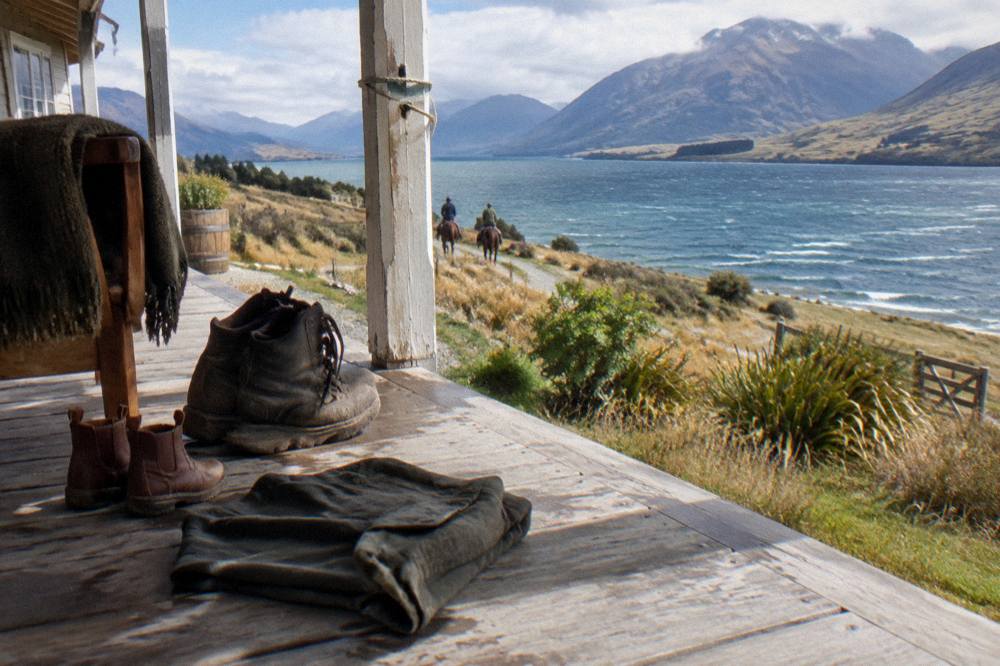
The trek itself is a guided 40 minute ride, which RealNZ describes as easy and more suited to first-time or novice riders, with small groups of up to 6 per guide. That changes the clothing math. Nobody needs specialist riding gear for 40 minutes at a beginner pace, but the wrong shoes or a pair of shorts can still turn an easy ride into an uncomfortable one. Age is another common worry among first-timers, and the guide to starting horse riding as an adult explains why a late start is no barrier at all.
For a deeper treatment of the same question anchored to the lake and the farm, the guide to what to wear on the trek covers packing for the cruise and tea as well as the ride. This page stays on the clothing itself: what works, what fails, and why Queenstown's climate deserves more respect than the calendar suggests.
What Shoes Work Best For A First Horse Trek?
Covered non-slip shoes or boots with a small heel and a smooth sole are the right choice. RealNZ's what-to-bring guidance asks specifically for covered non-slip shoes or boots. Trainers with heavy tread can wedge in a stirrup, sandals and jandals offer no protection, and smooth-soled shoes let a foot slide free when the rider asks it to. A modest heel helps stop the foot slipping forward through the stirrup.
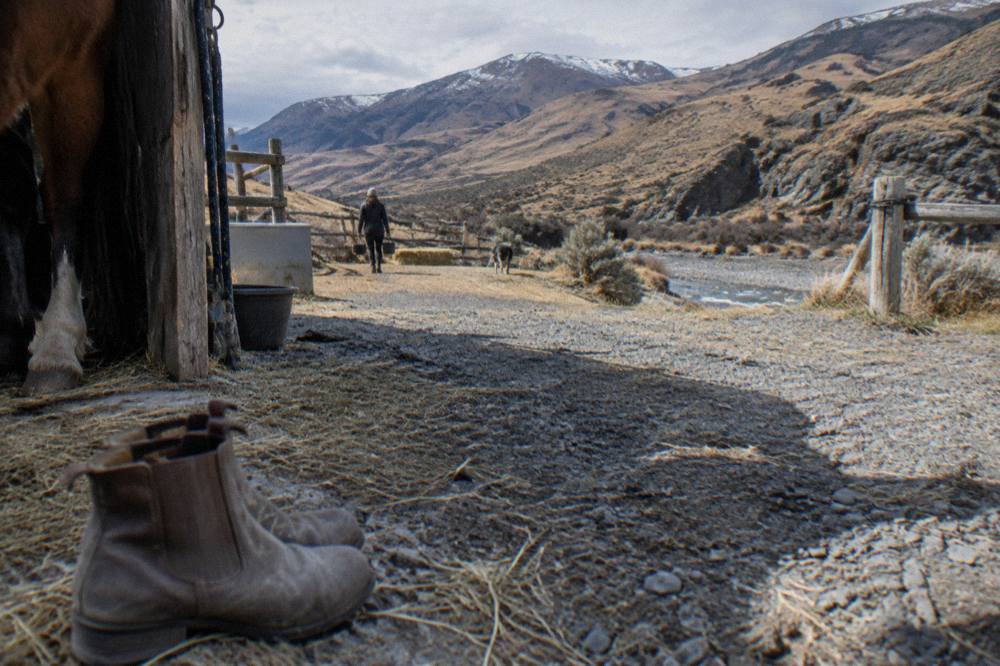
The reason tread is the enemy is mechanical. A deep-lug hiking sole or a chunky trainer sole can catch on the stirrup during a dismount, which is exactly the moment a first-time rider does not want a foot locked in place. Riding boots and many plain leather shoes solve this with a covered non-slip sole and a small heel. Nobody needs to buy actual riding boots for one trek. A pair of plain ankle boots, closed school-style shoes or any sturdy low-heeled shoe with a smooth-ish sole will serve.
What to avoid is a shorter list and easier to remember. Sandals, jandals, espadrilles and any open shoe leave the foot exposed to stirrup edges, branches and the occasional hoof. Thin canvas slip-ons give no ankle support. Brand new stiff boots, at the other extreme, can rub blisters over even a 40 minute ride, so broken-in footwear beats box-fresh footwear every time.
Socks deserve one sentence: wear proper socks that cover the ankle, because a shoe or boot edge against bare skin is the most common minor complaint on short rides.
“Really welcoming, informative for beginners and Carolyn put you at your ease. Horses were well behaved, the ride took you up into the mountains through the orchards. We then had fantastic views over lake Dunstan and Cromwell. All around amazing experience for riders and beginners.”
The same shoe advice holds for every ride in the region, not just Walter Peak. The Cardrona rides, the Golden Hills two-hour ride in Central Otago and the Cromwell scenic ride all ask riders to meet the same basic reality of stirrups, gravel yards and mounted time. The differences between those rides are about duration and start point, not footwear, so one good pair of shoes covers a whole Queenstown holiday of riding.
Long Trousers Or Shorts On A Horse?
Long trousers, without question. Legs grip and rub against saddle leather for the whole ride, and bare skin or thin leggings chafe quickly. RealNZ lists long trousers on its what-to-bring list for the Walter Peak trek. Jeans, sturdy joggers or any reasonably thick full-length trouser works; shorts, skirts and thin leggings are the choices most likely to end a first ride early.
The physics is simple. A rider's inner calf stays in contact with the saddle and, on some horses, with sweat or dust on the leather. Over 40 minutes that contact is mild; over the two-hour Gold Discovery Trail at Cardrona or the two-hour Golden Hills ride near Cromwell it becomes real friction. Thick fabric is the barrier. Jeans are the classic answer and work well, and the question of denim versus sports fabrics is argued in more detail in jeans or leggings for horseback riding.
Leggings deserve a specific caution. Thin single-layer leggings can wear through or, worse, ride up and leave skin directly on leather, and seams in the wrong place add to the problem. Thick compression-style leggings are better than fashion leggings but still second to denim or cargo fabric. Whatever the material, the trouser should sit at the waist or hips without slipping, because a rider adjusting clothing mid-ride is a rider not holding the reins properly.
Seams matter as much as fabric. A bulky centre seam down the inner leg, common on some jeans and joggers, can press into the leg against the stirrup leather. Riders who own riding trousers or cycling-style shorts with flat seams have an advantage; everyone else just picks the pair of trousers with the flattest, most comfortable inner leg.
Shorts fail for the obvious reason and one more: besides the rub, bare legs also take whatever the horse or the track throws at them, from dust to the light brush of scrub along a high country trail. A first ride is a much better memory in long trousers.
How Many Layers Does Queenstown Weather Demand?
Plan for three layers even in summer: a base t-shirt, a warm mid-layer such as a fleece, and a waterproof outer jacket. RealNZ's seasonal guidance puts Queenstown summers at 19 to 29 °C and winters at 5 to 10 °C, and it provides wet weather clothing on the Walter Peak trek. Layers work because the cruise, the ride and the tea are three different temperature situations.
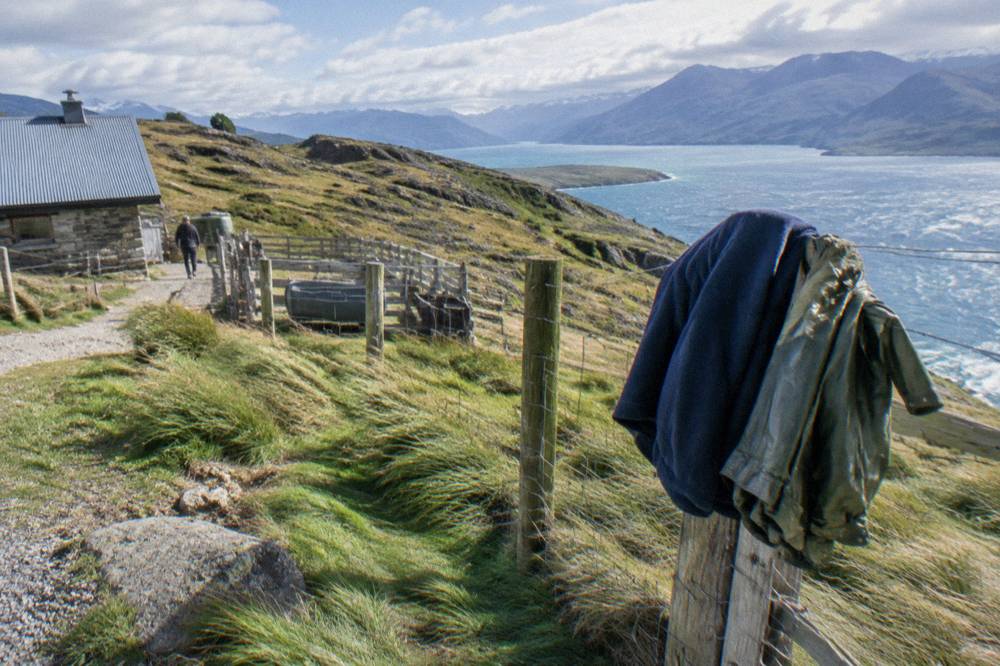
Queenstown sits at the edge of the Southern Alps and its weather is genuinely changeable, which is why the MetService Queenstown forecast is the practical planning tool for trek day. RealNZ itself notes that the Queenstown forecast is a good guide for Walter Peak, and that treks may be modified or cancelled due to weather, horse behaviour or guide assessment. Dressing in layers is the clothing answer to the same variability.
The three-situation structure of the Walter Peak outing explains the layering logic. The cruise across Lake Wakatipu, 45 minutes each way on the TSS Earnslaw or 35 minutes each way on the Spirit of Queenstown, is an open-deck wind situation even on a mild day. The 40 minute ride is a physical activity situation where a thick jacket can become too warm. Tea at the Colonel's Homestead and time in the gardens and farmyard is a still, seated situation where body temperature drops. One outfit has to serve all three.
| Season | Queenstown day range | What that means for clothing |
|---|---|---|
| Summer (December to February) | 19 to 29 °C | T-shirt plus a light fleece and a packable shell for the cruise deck |
| Autumn (March to May) | 15 to 25 °C | Base layer, warm mid-layer, waterproof jacket |
| Winter (June to August) | 5 to 10 °C | Full warm layers, gloves, warm hat for the boat, jacket |
| Spring (September to November) | 9 to 15 °C | Base layer, fleece, waterproof outer, warm headwear |
Those ranges are RealNZ's own seasonal guide, and they hold a warning for visitors from the northern hemisphere: a Queenstown summer morning at the bottom of the 19 to 29 °C range still wants a jacket on the water, and spring sits in a band where rain is as likely as sun. A warm hat and gloves earn their place from April through October, mainly for the cruise legs rather than the ride.
One comfort specific to the Walter Peak product: wet weather clothing is provided, so the outer waterproof layer does not need to survive a whole holiday of hiking. It still pays to bring a personal jacket simply because a familiar layer that fits well beats a shared one that fits roughly, and because the homestead gardens can be enjoyed before departure rather than watched from under an awning.
Do You Need To Bring A Helmet?
No. Helmets are provided on the Walter Peak trek, with RealNZ listing safety helmets among the equipment supplied, and helmets are stated as provided on 4 of the 7 tours covered here, including the Cardrona pub trail and the Golden Hills ride. Bringing a certified riding helmet is an option for regular riders, but a first-timer has no need to buy one.
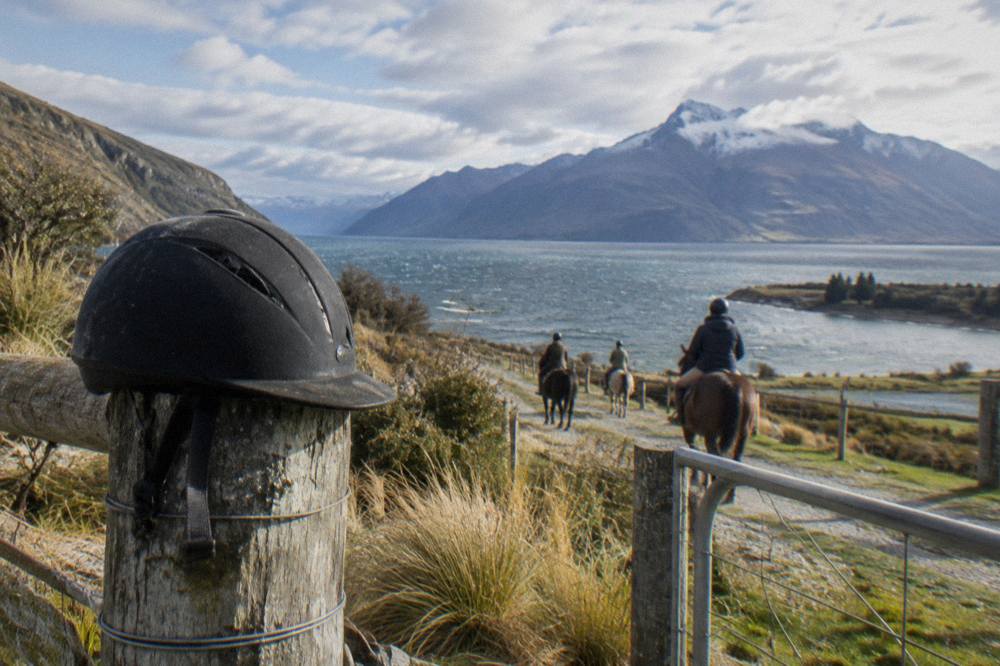
The count matters, because helmet provision is not universal. Of the seven tours this site covers, four state a helmet in what is included: both Walter Peak booking pages, the Cardrona High Country Pub Trail and the Golden Hills two-hour trek. The remaining three do not mention helmets either way, and the honest advice for those rides is to ask the operator directly when booking rather than assume. You'll find the full list of treks and more first-time riding guides on the homepage.
For the first-time rider heading to Walter Peak, the practical point is packing simplicity. The helmet question answers itself, which leaves shoes, trousers and layers as the only real decisions. Riders with longer hair should add one item to the list: a hair tie, because hair loose around the shoulders can catch under a helmet strap and, more annoyingly, whip across the face on the cruise deck.
The rule about hats under helmets is worth a sentence. Warm headwear for the cruise is sensible, but nothing bulky should be worn under a riding helmet, since a proper helmet fit assumes the head it was sized on. A thin beanie is generally fine, a thick knit is not, and the safest answer is to keep the warm hat for the boat and the bare head or a low ponytail for the ride.
“Superb ride through the high country around Cardrona. Horses were well-behaved but lively, easy to ride. Great fun to canter through the fields, great views, past cattle and deer. Fun stop at the historic Cardrona Hotel for a beer or beverage.”
What Should Children Wear On A Family Trek?
Children should wear exactly the adult list scaled down: covered non-slip shoes, long trousers and warm layers, with a fitted helmet supplied on the ride. On the Walter Peak trek the minimum age is 7 and children under 14 must be accompanied by a responsible adult. The Gold Discovery Trail at Cardrona takes riders from age 5, making it the younger-family option.
Those age rules are firm and worth planning around rather than discovering at the gate. RealNZ applies a minimum age of 7, a minimum height of 120 centimetres and a maximum rider weight of 95 kilograms on the Walter Peak trek, strictly, and riders must be able to mount and dismount unaided. A seven-year-old who meets those bars still needs clothing that lets them do everything an adult does: grip, balance and sit through the full 40 minutes.
Practical child-specific additions are a fitted warm layer rather than an oversized coat, because bulky sleeves interfere with holding the reins, and gloves in the cooler months, because small hands colden faster on the water legs of the outing.
The two-hour Gold Discovery Trail at Cardrona is the ride its operator points young families and beginners toward, with no experience needed, a Cardrona River crossing and a maximum group of 7. It runs from $311.44 per person and takes riders from age 5, so families with a five or six-year-old below the Walter Peak bar have a genuine alternative that uses the same clothing list.
What Should You Not Wear On A Horse Trek?
Avoid loose clothing, scarves and accessories that could catch, per RealNZ's explicit guidance, along with shorts, skirts, open shoes, and anything with dangling straps, drawstrings or long tassels. Hood strings, camera straps worn loose, large earrings and backpacks are the classic hazards. A small secure day bag beats anything worn on the body while riding, so ask the guide where to leave bags.
The catching hazard is the one the operator names directly, and it is the one first-timers underestimate. A loose scarf can snag on a branch; a hood drawstring can catch as a rider leans forward; a dangling necklace can hook on tack. Horses are large, reactive animals, and anything that turns a rider's clothing into an anchor point converts a small surprise into a real problem. The same logic applies to loose-fitting tops that flap in wind, which can worry some horses.
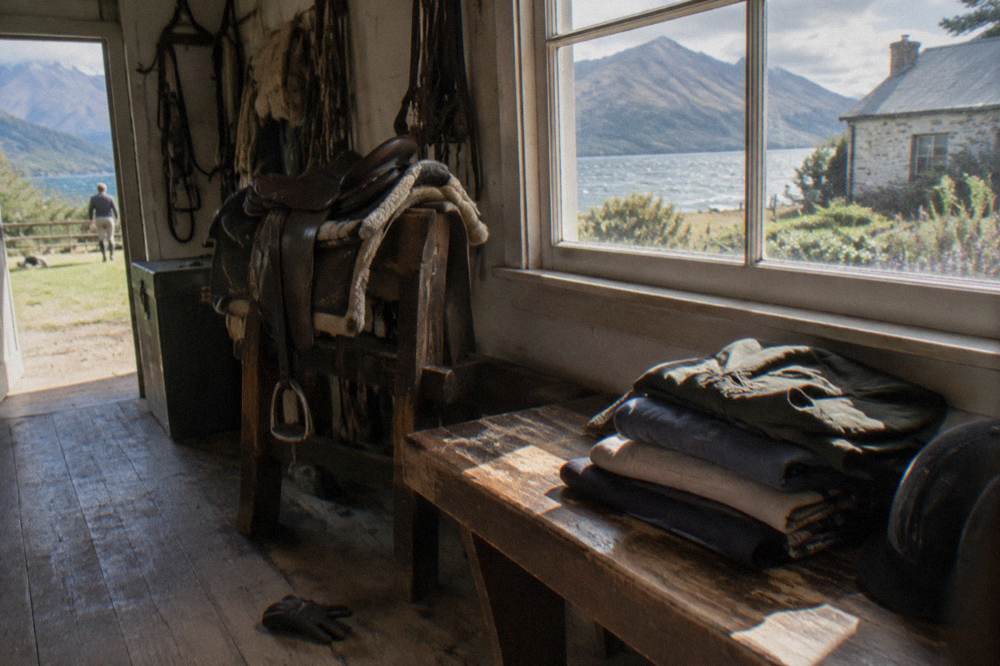
Bags deserve their own rule. A backpack changes the rider's centre of gravity and its straps can catch, so anything not needed on horseback stays at the meeting point or on the boat. On the Walter Peak outing this is easy: ask the guide where to leave bags before the trek sets out, and carry a camera in a zipped pocket rather than on a neck strap while mounted.
Jewelry and watches are a minor but real consideration, mainly because a knock against a saddle horn or a branch can break them or pinch skin. Sunglasses are fine and recommended; sunglasses without a retainer strap on a windy lake cruise are a common small loss. The complete do-not-wear list is short enough to check in a minute: nothing loose, nothing dangling, nothing open-toed, nothing that would hurt to lose.
Does The Same Clothing List Work For Other Queenstown Area Rides?
Yes, the core list of covered non-slip shoes, long trousers and warm layers transfers directly to every ride covered on this site. The differences between tours are duration, terrain and start point, not wardrobe. A rider dressed for Walter Peak is dressed for Cardrona, and dressed for Golden Hills near Cromwell, with only the layer count changing for the longer rides.
The Golden Hills two-hour ride near Cromwell is a good illustration. It runs from $102.11 per person, the lowest price of the seven, with horses matched to rider ability and helmets provided, and it starts from a roadside gate east of Cromwell that the guide meets riders at, with hotel pickup and drop-off not included. Nothing about that changes the clothing answer; it just means two hours in the saddle instead of 40 minutes, which makes thick trouser fabric and comfortable boots slightly more important, not differently important.
Cardrona's rides follow the same logic from a different start point, The Cardrona, at 2125 Cardrona Valley Road. The operator's intermediate-level pub trail runs about 3.5 hours and ends at the Cardrona Hotel, and the operator's own horses page describes its rides and rider requirements in detail. Longer rides reward the same clothing decisions made more carefully: flatter seams, better socks, an extra layer tied around the waist. The Walter Peak trek is, in clothing terms, the gentlest introduction in the region precisely because it is the shortest mounted segment paired with a boat, a farm and a tea room.
Riders comparing the options can read a fuller side-by-side in Walter Peak versus Cardrona horse riding. The short version for this page: one wardrobe serves all of them, built around the operator's own list for Walter Peak, which RealNZ, the trek operator's page sets out alongside its rider rules.
Common Questions About First-Time Riding Clothing
What Should I Wear Horse Riding For The First Time?
Covered non-slip shoes or boots, long trousers, warm layered clothing or a jacket, sunscreen and sunglasses, plus a camera and personal medication. That is the operator's own list for the Walter Peak trek. Avoid loose clothing, scarves and accessories that could catch.
Do I Need To Buy A Riding Helmet For The Walter Peak Trek?
No. RealNZ provides safety helmets and wet weather clothing on the Walter Peak trek, and helmets are stated as provided on 4 of the 7 tours covered on this site.
Can I Wear Leggings Instead Of Jeans On A Horse Trek?
Thick leggings can work, but jeans or other sturdy full-length trousers are the safer choice because thin fabric can wear through or ride up against the saddle over the length of the ride.
What Shoes Should I Avoid For Horse Riding?
Sandals, jandals, open shoes, thin canvas slip-ons and heavily treaded trainers. Open shoes offer no protection, and deep tread can catch in a stirrup during a dismount.
How Warm Do I Need To Dress For Queenstown?
RealNZ's seasonal guidance puts summer days at 19 to 29 °C, autumn at 15 to 25 °C, winter at 5 to 10 °C and spring at 9 to 15 °C. Layering for three situations, the cruise, the ride and the tea, is the reliable approach.
Should Children Dress Differently For The Trek?
No. Children wear the same list as adults: covered shoes, long trousers and warm layers. Avoid bulky coats that interfere with holding the reins, and add gloves in the cooler months for the lake cruise legs.