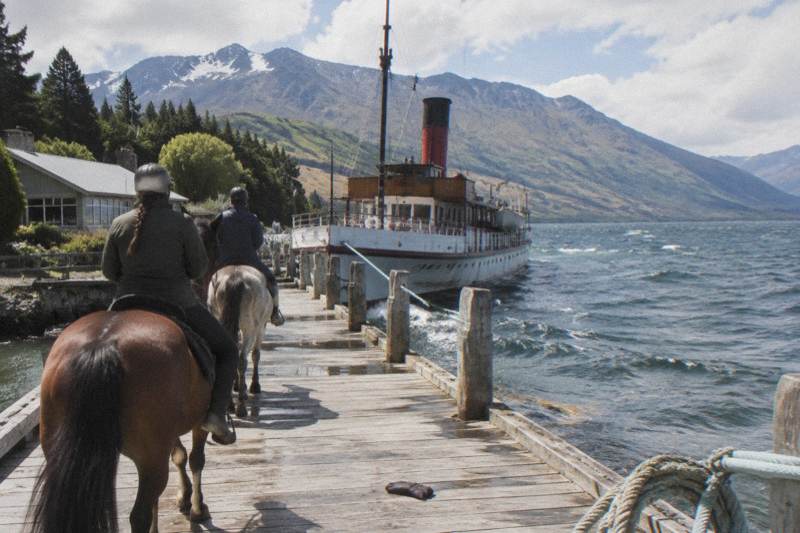
Can You Choose Your Horse On A Queenstown Horse Trek?
No Queenstown or Walter Peak trek promises a chosen horse. Horses are matched by guides where the operator says so, and this page explains what that means for your booking.
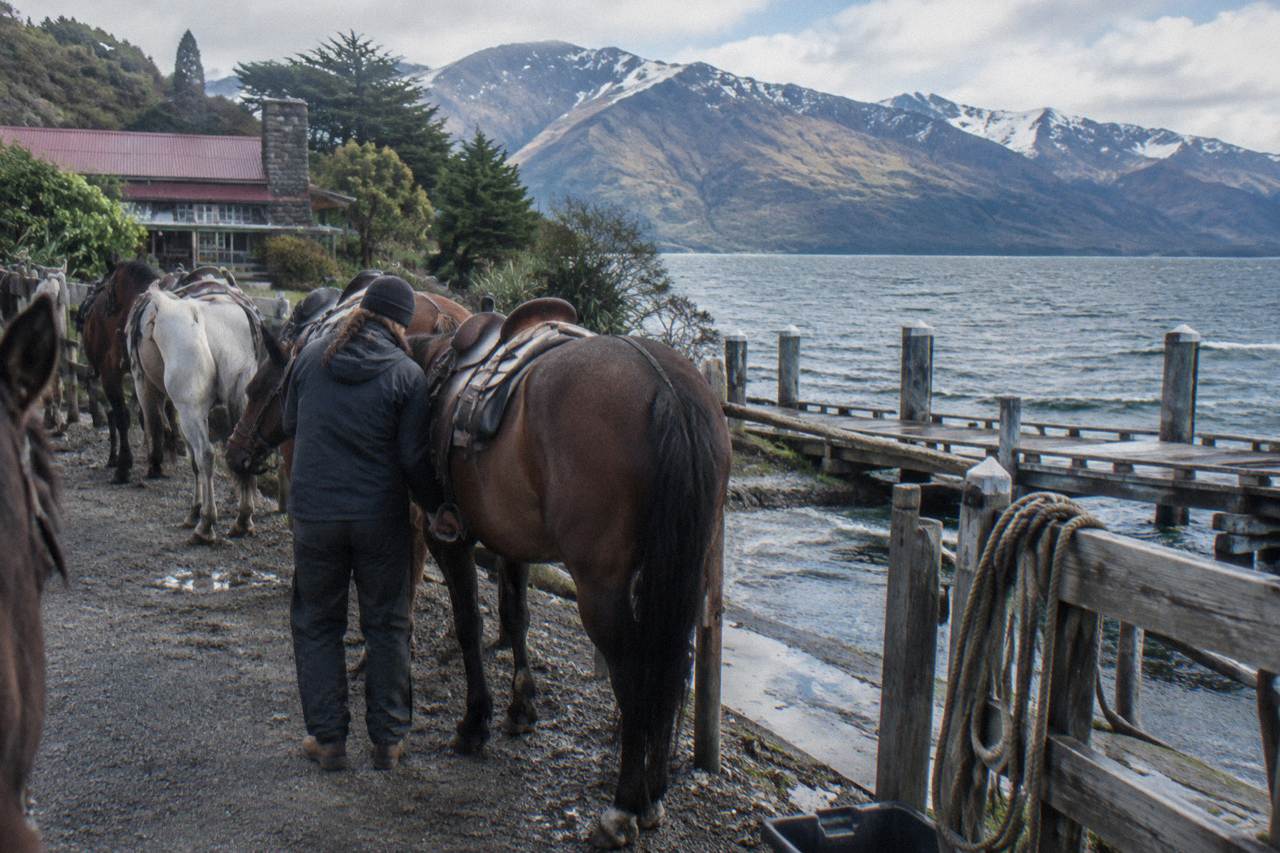
No. None of the seven horse treks covered here from Queenstown, Cardrona and Central Otago states that riders choose their own horse. Only one operator, Golden Hills Horse Treks in Central Otago, puts it in writing: its horses are matched to rider ability. At Walter Peak, RealNZ runs small groups of up to 6 per guide; expect the guide to match each rider to a mount on the day. Riders cannot be promised a specific animal, and no booking page suggests otherwise.
That short answer surprises some people, especially riders who have a horse at home or a preferred temperament from past holidays. The reality across the Queenstown Lakes is that guided trekking is built around the guide's knowledge of a working string of horses, not around a menu of animals to pick from. This page walks through what horse matching actually means at each departure point, why operators do it this way, and what a rider can reasonably ask for on the day.
The question matters at booking time more than at ride time. A trek with horses matched by ability is a trek where a nervous first-timer and a confident rider can both be placed well, and where the guide's judgment, not the rider's preference, carries the group safely across high country farmland.
How Are Horses Matched To Riders At Walter Peak?
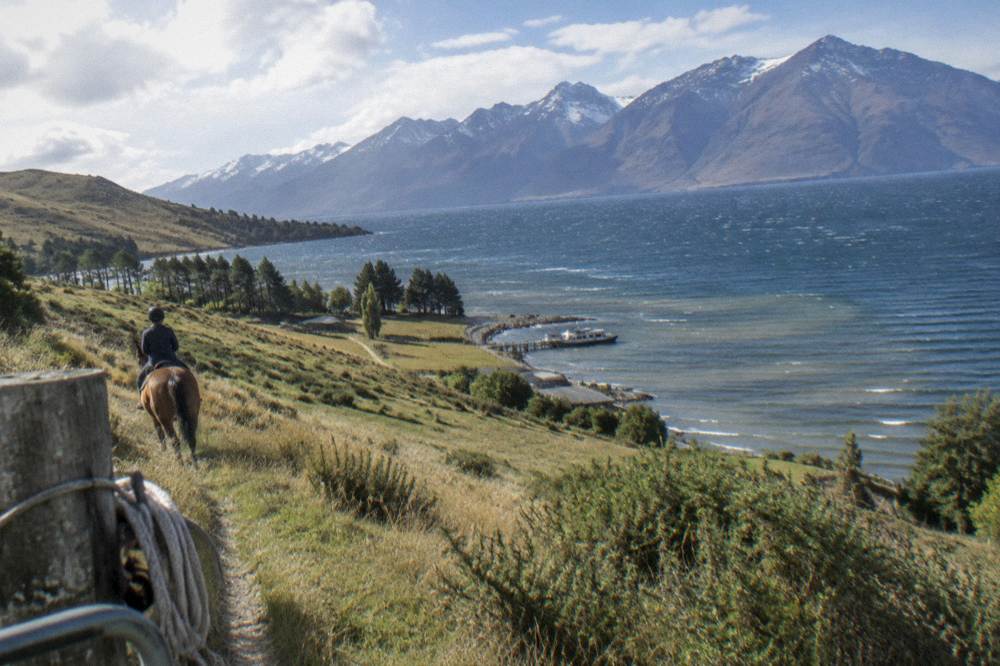
RealNZ does not publish a detailed horse-selection process for the Walter Peak trek, so riders are not matched through any formal or advertised system; instead, the guide allocates horses. The operator describes the riding as easy and more suited to first-time or novice riders, which means the matching rests with the guide's judgment rather than with a published rider-to-horse method. The trek itself is 40 minutes of a 3 hour 45 minute outing that also includes a cruise across Lake Wakatipu and morning or afternoon tea at the Colonel's Homestead. Groups are small, up to 6 riders per guide, which gives the guide room to read each rider before the string leaves the farmyard. The outing starts at the RealNZ Visitor Centre, Steamer Wharf, 88 Beach Street, Queenstown, with arrival 20 minutes before departure.
“10/10 experience, the staff were absolutely amazing made it so much fun. The afternoon tea after our horse trek was absolutely amazing as well!”
The matching logic at a place like Walter Peak is straightforward once you see it from the guide's side. A trek crosses rolling high country farmland toward a lookout over the lake and mountains, and the guide needs every horse-and-rider pair to finish that loop without incident. Riders must be able to mount and dismount unaided and keep balance and control, per RealNZ's rider rules. Given only 6 riders, the guide can ask a quick question or two, watch how each person stands beside the animal, and place the quiet horse under the hesitant rider and the forward-going one under the rider who clearly wants more than a walk. RealNZ says all abilities are welcome, including first-time riders, and rider limits are firm: minimum age 7, minimum height 120 cm, maximum weight 95 kg, strictly adhered to.
It helps to understand why the weight and height rules connect directly to horse matching. Height matters for the same reason: a rider whose legs cannot reach effective contact with the horse's side has less control, so the guide needs to know a 120 cm minimum has been met before allocating. These are RealNZ's own published rules, and they exist because the guide, not the rider, is the person responsible for how the string behaves on a remote farm property with limited emergency access.
For a fuller walk-through of the outing itself, see the main guide, which gathers all seven rides from Walter Peak, Cardrona and Central Otago in one place. Riders comparing the boat-plus-ride format against a pure ride should also read the page on the trek and cruise combination, and the question of speed is covered in how fast the ride goes at Walter Peak.
Do Any Queenstown Area Operators Promise A Chosen Horse?
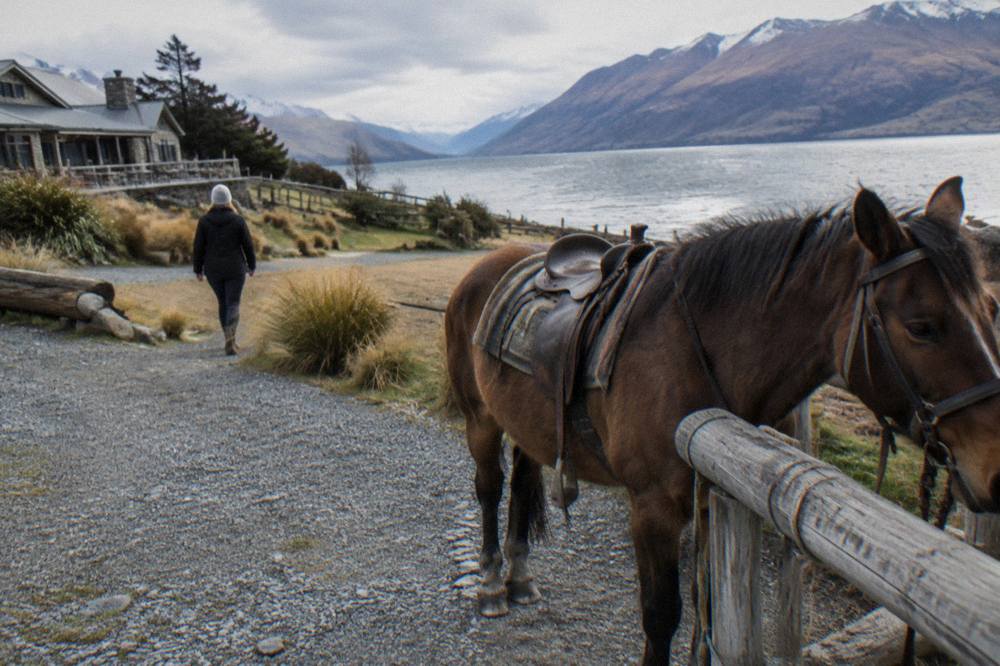
No, and no operator here promises a chosen horse; Golden Hills Horse Treks is the only one that states horses are matched to riders by ability. Its 2-hour Central Otago ride includes well-trained horses matched to rider ability, making it the sole written promise of its kind among Queenstown area operators. No other ride, from Walter Peak to Cardrona to Cromwell, states that riders pick a horse, and none promises a specific animal either. That is not a gap in the marketing. It reflects how commercial trekking works everywhere in New Zealand: the string belongs to the operator, the guide knows it animal by animal, and allocation is a safety decision.
The Golden Hills wording is worth a closer look because it says the opposite of "choose your horse" while still reassuring the nervous rider. A horse matched to your ability means the operator takes responsibility for placing you well, which is a stronger promise than letting a beginner pick the pretty grey. Golden Hills rides start from a roadside gate east of Cromwell, the meeting point is usually locked until the guide arrives, groups run to a maximum of 5, and the ride costs from $102.11 per person, the lowest price among the seven tours covered here. It is rated 4.9 across 56 reviews. Hotel pickup and drop-off is listed as not included.
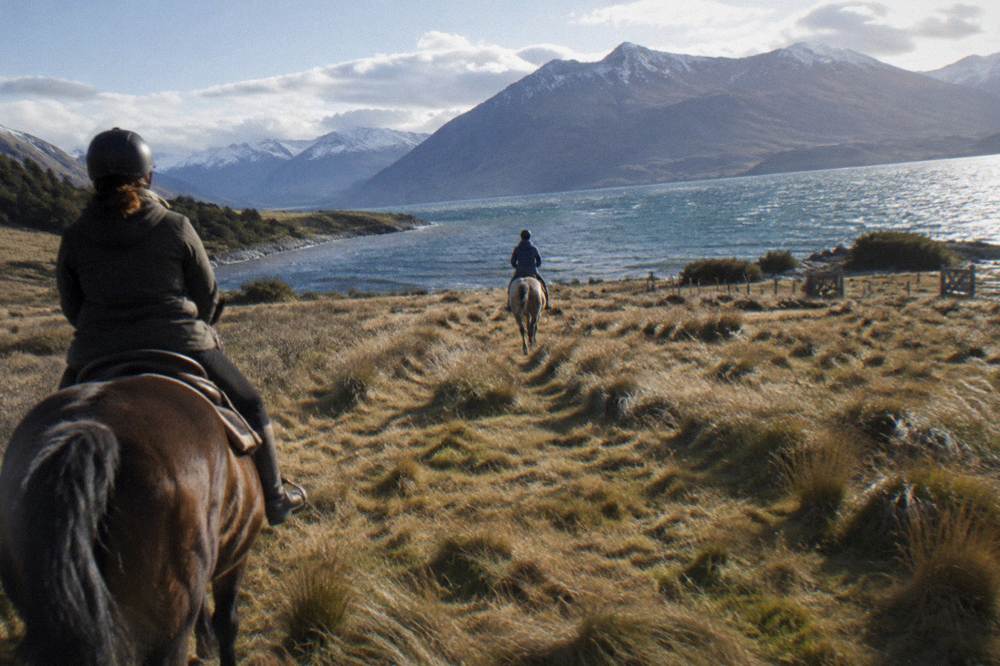
The Gold Discovery Trail, a 2-hour ride from $311.44 per person, welcomes riders with no experience, carries a stated age minimum of 5 and a maximum rider weight of 105 kg, and crosses the Cardrona River. The High Country Pub Trail, from $396.54 per person, is intermediate level and above, described by the operator as requiring comfort with trotting and, in its words, "highly likely" cantering, with high fitness, balance and coordination. A rider on the Pub Trail can expect a horse suited to that faster work, but the operator does not offer a catalogue of animals to choose from.
The comparison below lines up the seven rides on the points that actually drive horse placement: where the ride starts, how long it runs, how big the group is, and what the operator says about experience.
| Ride | Operator | Start point | Duration | Group max | What the operator says about ability |
|---|---|---|---|---|---|
| Tea and scones trek with cruise | RealNZ | Steamer Wharf, Queenstown | 3 hours 45 minutes total, 40 minute trek | 6 | All abilities, first-time riders welcome |
| Return Cruise, Safety Equipment | RealNZ | Steamer Wharf, Queenstown | 3 hours 45 minutes total, 40 minute trek | 6 | All abilities, first-time riders welcome |
| Pub Trail Trek, Intermediate Level | The Cardrona | The Cardrona, Cardrona Valley Road | 3 hours 30 minutes | 7 | Intermediate level and above |
| Small-Group Gold Discovery Trek | The Cardrona | The Cardrona, Cardrona Valley Road | 2 hours | 7 | No experience needed |
| 2 to 3.5 Hour Cardrona Trek | The Cardrona | The Cardrona, Cardrona Valley Road | 2 to 3.5 hours | Not stated | Not stated |
| Golden Hills 2-Hour Trek | Golden Hills Horse Treks | Gate east of Cromwell | 2 hours | 5 | Horses matched to rider ability |
| Scenic Ride, 1 to 3 Hours | The Sunday Country Club | Cromwell | 1 to 3 hours, options | Not stated | Not stated |
The Walter Peak trek is sold through two booking pages, one from $155.87 rated 4.6 across 317 reviews and one from $158.27 rated 4.3 across 118 reviews, but it is one RealNZ product: the differences between the pages are wording, not different horses or routes. Whichever page is booked, the horse is allocated at the farm by the guide on the day.
Why Do Guides Match Horses Instead Of Letting Riders Choose?
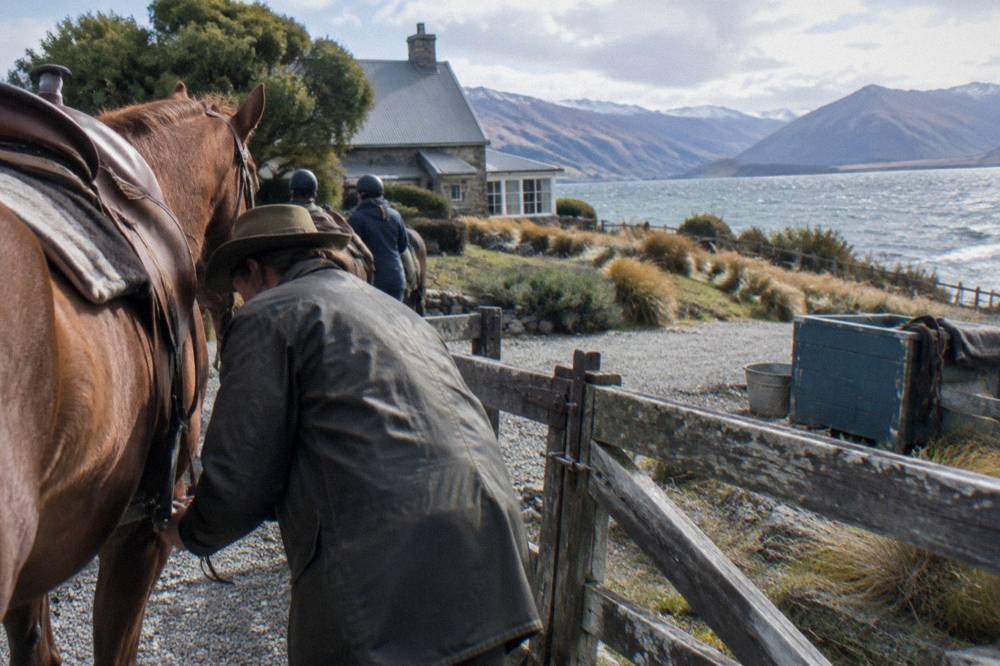
Guides assign horses rather than letting riders pick because they are responsible for the safety of the whole string, not just one rider's experience. A horse matched to a rider's actual ability is safer than a horse that merely suits their preference, so the guide's judgment takes priority over personal choice. A trek guide working a group of five or six has to balance temperament, size, energy and order in the line. Put a keen rider on the laziest horse and that rider spends the trek kicking; put a nervous rider on a forward horse and the whole group stops. Matching is how a mixed group of strangers finishes a ride together, which is the entire commercial premise of a guided trek.
There is also a horse-welfare dimension that riders rarely see. Trekking horses work most days, and operators rotate them deliberately so no animal is drilled into sourness. A "favorite" horse that every visitor asks for is exactly the animal the operator needs to rest. Guides also know which horses pair badly with each other, which one leads best, which one must never walk last, and which mares and geldings cannot stand nose to tail. Those are barn-management facts, not consumer choices, and no operator in the region publishes them because they shift week to week.
“Great experience, both the ship and the ride were lovely, even in the rain. Tour guides were super helpful and any skill level could complete the ride.”
RealNZ's own operation shows how much rides on guide judgment. The operator's safety notes say treks may be modified or cancelled due to weather, horse behaviour, or guide assessment, which puts the guide's read of both the day and the animals above every other consideration. Riders must disclose medical conditions, children under 14 must be accompanied by a responsible adult, and the site is remote with limited emergency access. In that setting, a rider's request for a particular horse is simply one input the guide weighs, not a decision the rider owns.
Riders who want a deeper sense of how the Walter Peak ride is organised can read the guide to the Walter Peak horse trek experience, and the page on Walter Peak versus Cardrona compares the two most booked areas for ability matching and format. External background on the operator's history and the farm is on RealNZ's Walter Peak history page.
Can You Ask For A Quieter Or Faster Horse On The Day?
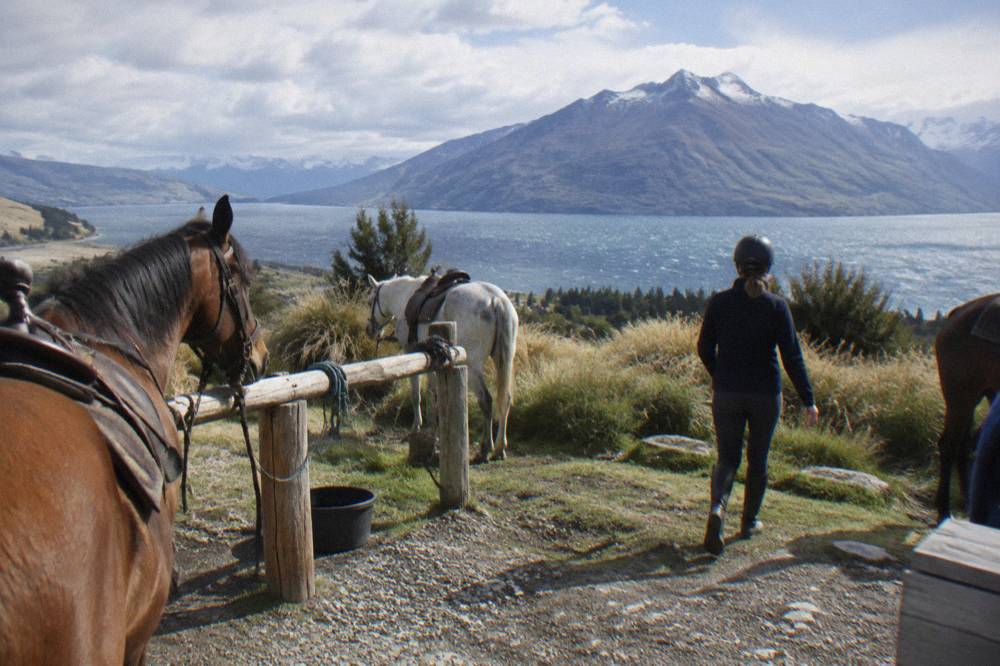
Yes, and you should. Describing the kind of ride you want simply helps the guide match you with a suitable mount. Operators across the region respond to ability statements, not horse names. Saying "I have never ridden", "I am nervous of traffic in the line", or "I ride weekly and would like something with more go" gives the guide exactly the information matching is built on. What no operator will do is guarantee in advance which horse you get, because the string's condition on the day decides.
The best moment to have that conversation is at the meeting point or in the farmyard before mounting. At Walter Peak, arrive 20 minutes before departure at Steamer Wharf, which leaves the cruise leg and the farmyard period as natural windows to speak to the guide. At Cardrona, riders gather at The Cardrona, 2125 Cardrona Valley Road, before the ride briefs. At Golden Hills, the guide meets riders at the gate east of Cromwell, so the chat happens as horses are saddled. In every case the guide makes the final call, and riders who accept it gracefully almost always get a better ride than those who insist on a pick.
“This shorter ride takes you through beautiful countryside. The guide takes pictures too so you have memories to take with you. I had beautiful weather despite forecasts. Guide Phoebe is very friendly & tells you a lot about the area & local farming.”
Honesty pays here in both directions. Overstating experience to get a "better" horse is the classic way a rider ends up on an animal above their seat, and the Pub Trail at Cardrona exists precisely for riders who have already earned a forward-going horse: it costs from $396.54 per person, runs 3 hours 30 minutes, and carries a 5.0 rating across 274 reviews, the strongest rating with a substantial review pool among the tours covered here. Understating ability has its own cost, a bored hour on a plodder. The guide can only match what the rider tells them.
There are practical limits to any request. Weather can change which horses go out at all, since RealNZ may modify or cancel treks due to weather, horse behaviour, or guide assessment, and the MetService Queenstown forecast is a fair guide to conditions at Walter Peak. RealNZ's own guidance points riders toward covered non-slip shoes or boots, long trousers and warm layers, none of which changes horse allocation but all of which makes whichever horse you are given easier to ride well.
What Should Beginners Know About Horse Matching At Walter Peak?
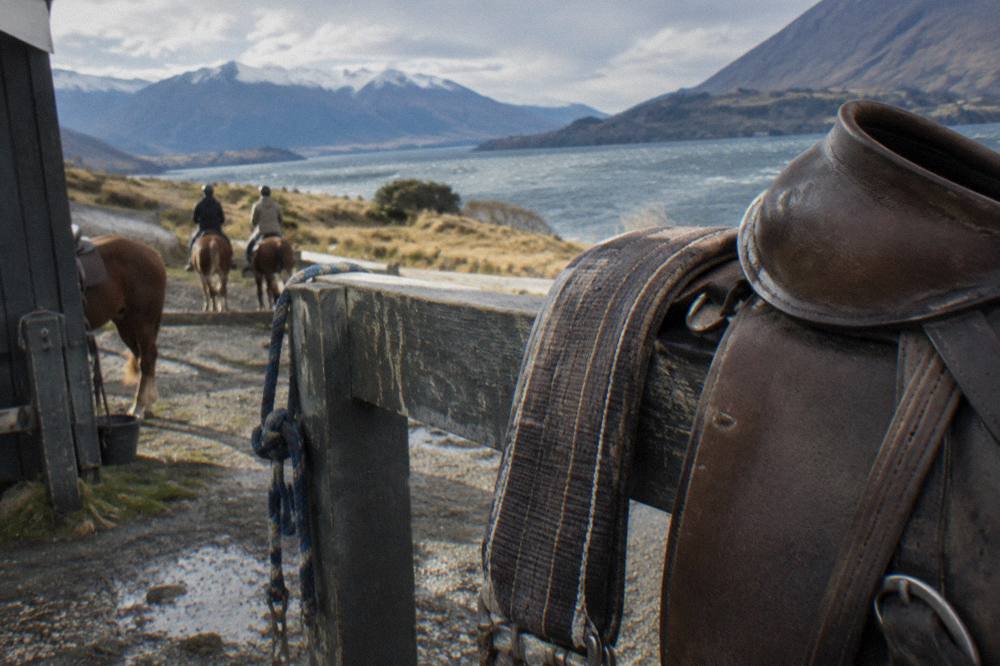
Beginners are the riders who benefit most from horse matching at Walter Peak, and the trek itself is openly pitched at them. RealNZ calls the riding easy and says the trek is more suited to first-time or novice riders, so guides can pair each newcomer with a mount that fits their skill level. A beginner who chose their own horse would be choosing blind, with no way to read which animal in the string is the steady one, which is fresh off a spell, and which quietly resents walking behind a particular neighbour. The guide knows all three. Handing that choice over is not a loss of control, it is the service being paid for.
“Absolutely loved it. Such lovely horses, incredible scenery and a stunning afternoon tea to finish! Friendly guides.”
The 40-minute trek length works in the beginner's favour too. It is long enough to reach a lookout over the lake and mountains on the operator's described route, and short enough that a first-time rider's legs and confidence hold out. Around it sits the rest of the 3 hour 45 minute outing: the cruise on the TSS Earnslaw steamship or the Spirit of Queenstown, the guest's choice of vessel at 45 minutes or 35 minutes each way respectively, and tea at the Colonel's Homestead, a 1908 building named for Colonel Peter Mackenzie whose family farmed the station for about 80 years. For many nervous riders the boat and the tea lower the stakes of the ride itself.
Safety equipment supports the matched-horse approach. RealNZ provides helmets and wet weather clothing for the trek, helmets are also provided on the Cardrona Pub Trail and the Golden Hills ride, while helmets are not mentioned for the Gold Discovery Trail or the other Cardrona trek, so check the booking page. RealNZ's rules on unaided mounting, balance and control exist because a matched horse still needs a rider who can sit it. The full set of rider limits and the beginner angle is laid out in the guide to Walter Peak age, weight and experience and the piece on Queenstown horse riding for beginners. Background on the steamship half of the day is on the TSS Earnslaw's history, a coal-fired passenger ship that first sailed in 1912, and was rescued from scrapping by RealNZ in 1968.
Can Returning Riders Ask For The Same Horse Again?
Yes, returning riders can certainly ask for the same horse again, and it is well worth doing so, though no operator here will guarantee that the request can be met. Trekking strings rotate their horses, and any given animal may be spelling, retiring, or moving between operators, so the horse you remember may simply not be available on the day you book. A rider who loved a horse on a previous Walter Peak visit can name the horse to the guide and the guide will try if the animal is in work that day. That is a request between rider and guide on the day, not something a booking page sells. Nothing in the Walter Peak, Cardrona or Central Otago booking pages promises repeat riders the same mount.
Returning riders do have one solid advantage: their second visit is easier to match. The guide gets a rider who already knows the mount-up routine, the pace and the terrain, which widens the pool of suitable horses rather than narrowing it. Riders who fall in love with a specific animal and want more time in the saddle than 40 minutes sometimes look at the longer regional rides, and the page on Queenstown horse trek lengths compares them. One scope note: rides from Glenorchy and Wanaka are not sold here, so a horse you rode in either valley cannot be rebooked through this site.
“Absolutely wonderful time. Sasha and Phoebe were great guides. You’ll have a great time if they are leading your group. The horses were the best - so sweet! Def an amazing tour!!!”
Cancellation terms are the same whichever ride you take: every one of the seven tours covered here states a full refund when cancelled at least 24 hours before the start. Departure times are not published and the booking calendar shows the slots for your chosen day, so a returning rider planning around a preferred sailing should check dates early. Advance booking is recommended at Walter Peak, and RealNZ notes vessel space is limited.
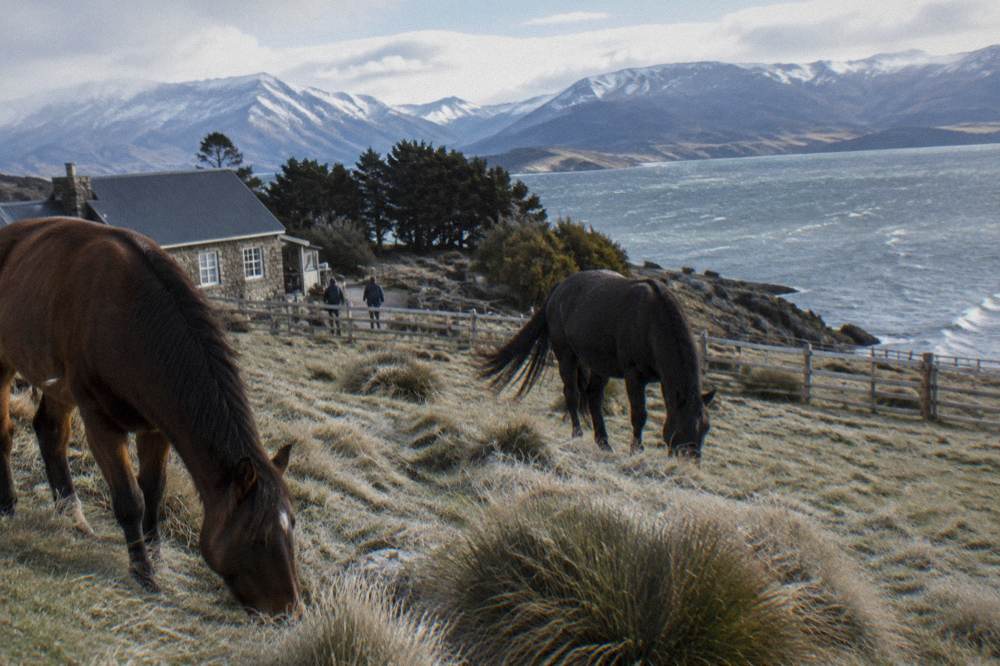
Which Queenstown Horse Trek Suits Each Type Of Rider?
Pick by format and ability level, not by horse, because the horse decision is the guide's on every ride here: Walter Peak for first-timers who want a cruise and tea built in, Gold Discovery for families with young children, the Pub Trail for confident intermediate riders, Golden Hills for the budget-conscious in Central Otago. Price follows that ladder roughly, from the Golden Hills 2-hour ride at from $102.11 per person up to the Pub Trail at from $396.54 per person, with the two Walter Peak pages at from $155.87 and from $158.27 and the median across all seven at $176.00.
The table below matches rider type to ride using only what the operators themselves state about ability, ages and weights. Where a booking page is silent, the table says nothing, because a silence is not a welcome and not a ban.
| Rider type | Best fit from the rides here | Why the operator's own wording fits |
|---|---|---|
| Adult or child first-timer who wants a full day out | Tea and scones trek with cruise, or Return Cruise, Safety Equipment | All abilities and first-time riders welcome, cruise and tea included, age 7+, 120 cm, 95 kg max |
| Family with a 5 or 6 year old | Small-Group Gold Discovery Trek | Age 5+, no experience needed, 105 kg max, 2-hour ride with a river crossing |
| Confident rider who wants pace | Pub Trail Trek, Intermediate Level | Intermediate and above, trotting and likely cantering, high fitness required |
| Rider on a budget near Cromwell | Golden Hills 2-Hour Trek | Horses matched to ability, from $102.11, groups capped at 5 |
| Rider wanting a shorter option in Central Otago | Scenic Ride, 1 to 3 Hours | A new option with options from 1 hour, no reviews yet |
One honest caveat belongs with the new option. The Sunday Country Club's scenic ride from Cromwell has no reviews yet, so there is no guest evidence on how its horses and riders are paired, and its booking page states no age, height or weight limits. Riders who like a proven string should weight the review-backed rides more heavily: the Walter Peak page with 317 reviews, the Pub Trail with 274, and Gold Discovery with 158 are the three largest pools among the seven.
Weather cuts across every row of that table. Queenstown runs 19 to 29 °C in summer, 15 to 25 °C in autumn, 5 to 10 °C in winter and 9 to 15 °C in spring by RealNZ's seasonal guide, and the operator provides wet weather clothing at Walter Peak. The page on Walter Peak weather and cancellations covers what happens when a sailing or trek is called off.
The three rides below are the natural next step for a reader who now knows the horse is the guide's call and wants to compare the formats themselves.
Common Questions About Choosing Your Horse On A Queenstown Horse Trek
Can You Choose Your Horse On A Queenstown Horse Trek?
No. None of the seven rides covered here states that riders choose their horse. At Walter Peak the guide allocates horses to groups of up to 6, and the only written matching promise in the region is Golden Hills Horse Treks, which matches its horses to rider ability on its 2-hour Central Otago ride.
Can You Request A Quieter Horse At Walter Peak?
Yes. Asking the guide for a quiet, steady horse is normal and welcome, and it is best raised at Steamer Wharf or in the farmyard before mounting. RealNZ describes the riding as easy and suited to first-time or novice riders, and the guide makes the final allocation on the day.
Do Any Weight Or Height Limits Affect Which Horse You Get?
They affect whether you can ride at all. Walter Peak sets a minimum age of 7, a minimum height of 120 cm and a maximum rider weight of 95 kg, strictly applied by RealNZ. The Cardrona Gold Discovery Trail states age 5 and up with a maximum weight of 105 kg. Within those limits the guide places riders on suitable animals.
Can An Experienced Rider Get A Faster Horse?
Sometimes, by telling the guide honestly about their experience. The ride built for that rider is the Cardrona High Country Pub Trail, intermediate level and above, where the operator says riders must be comfortable trotting and highly likely cantering. It runs 3 hours 30 minutes from $396.54 per person.
Can You Ride The Same Horse You Rode On A Previous Walter Peak Trek?
You can ask, but no operator guarantees it. Trekking strings rotate, and horses spell or move on, so repeat riders should treat it as a request to the guide on the day rather than something secured at booking.
Do Cardrona Or Cromwell Rides Let Riders Pick A Horse?
No. The Cardrona rides and the Cromwell scenic ride make no horse-selection promise on their booking pages, and the Cromwell booking page is new with no reviews yet. As at Walter Peak, guides allocate the horses based on what they see and what riders tell them.